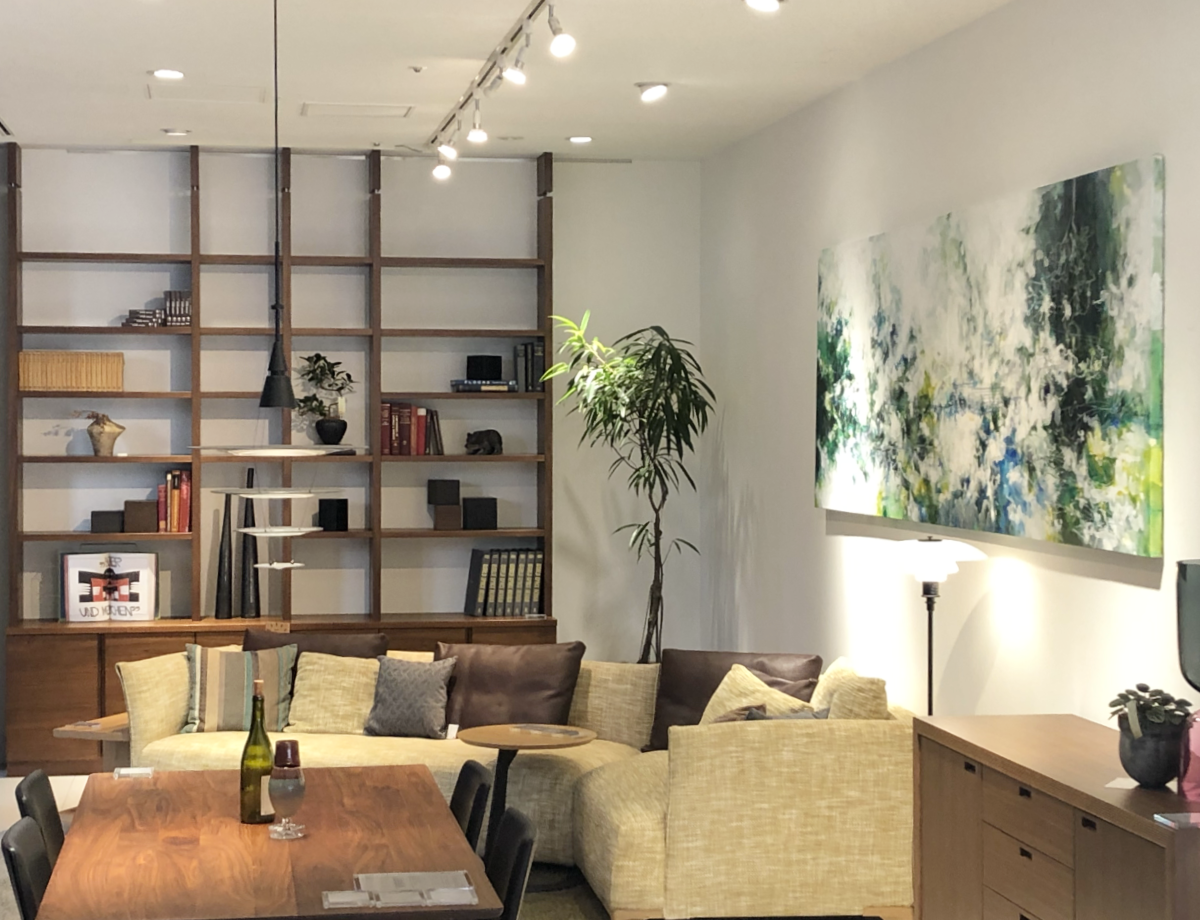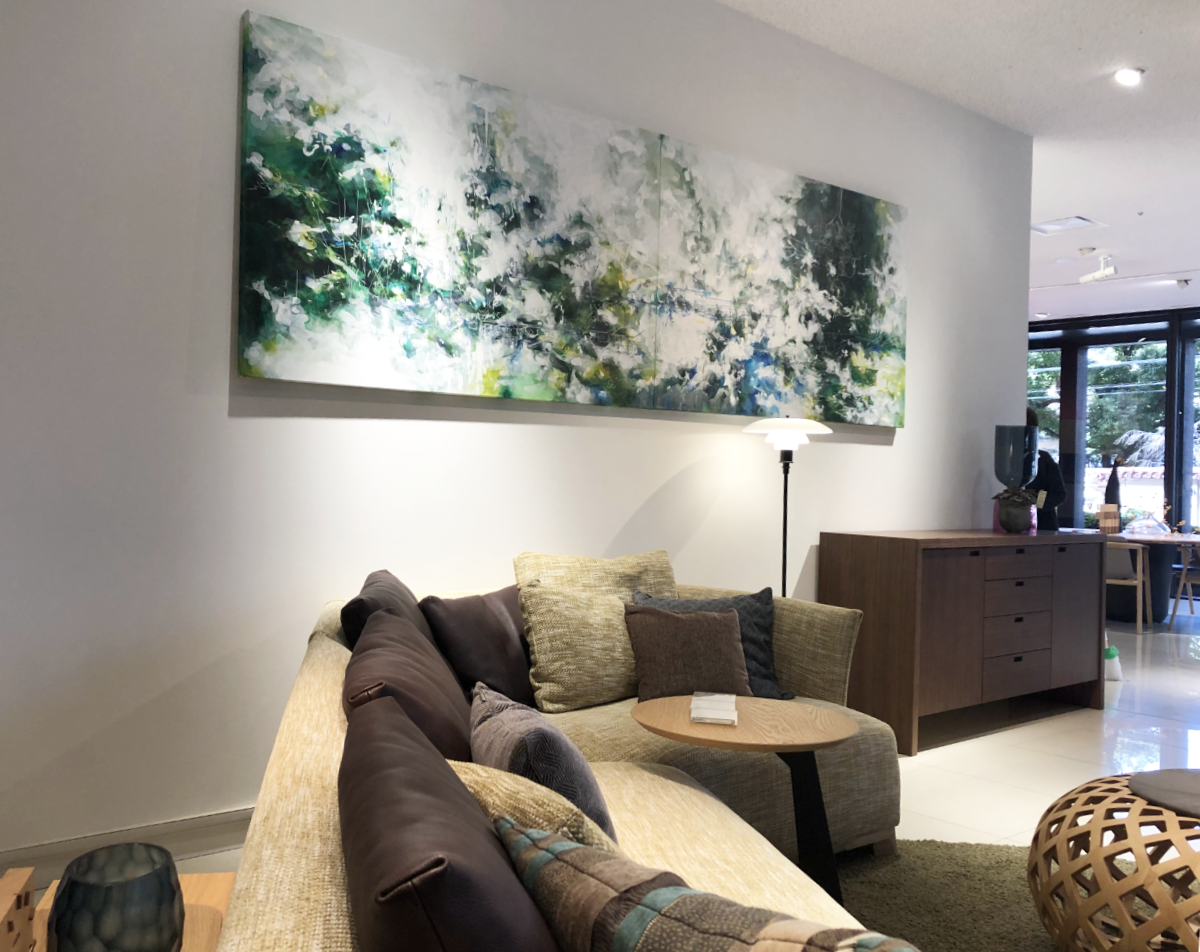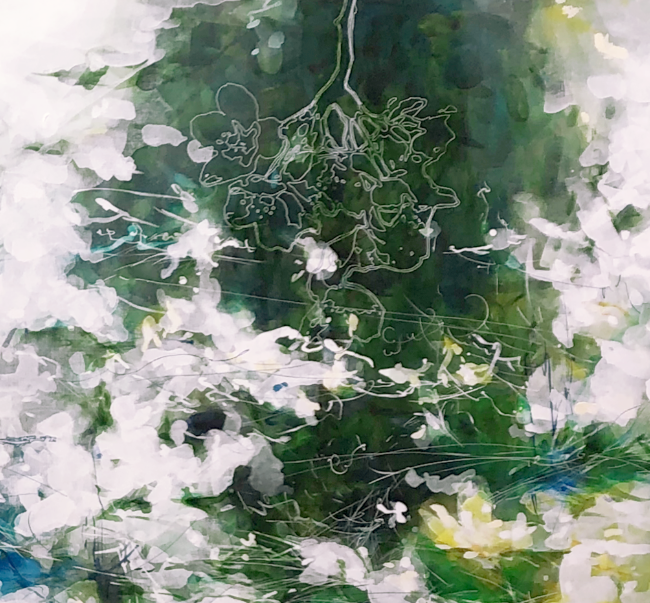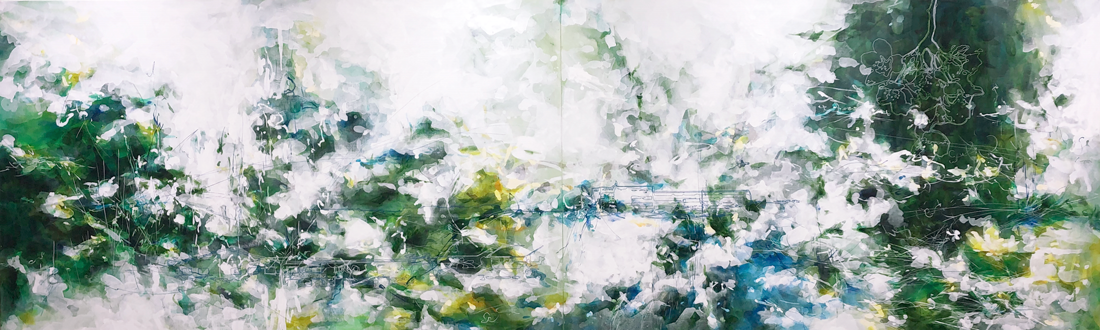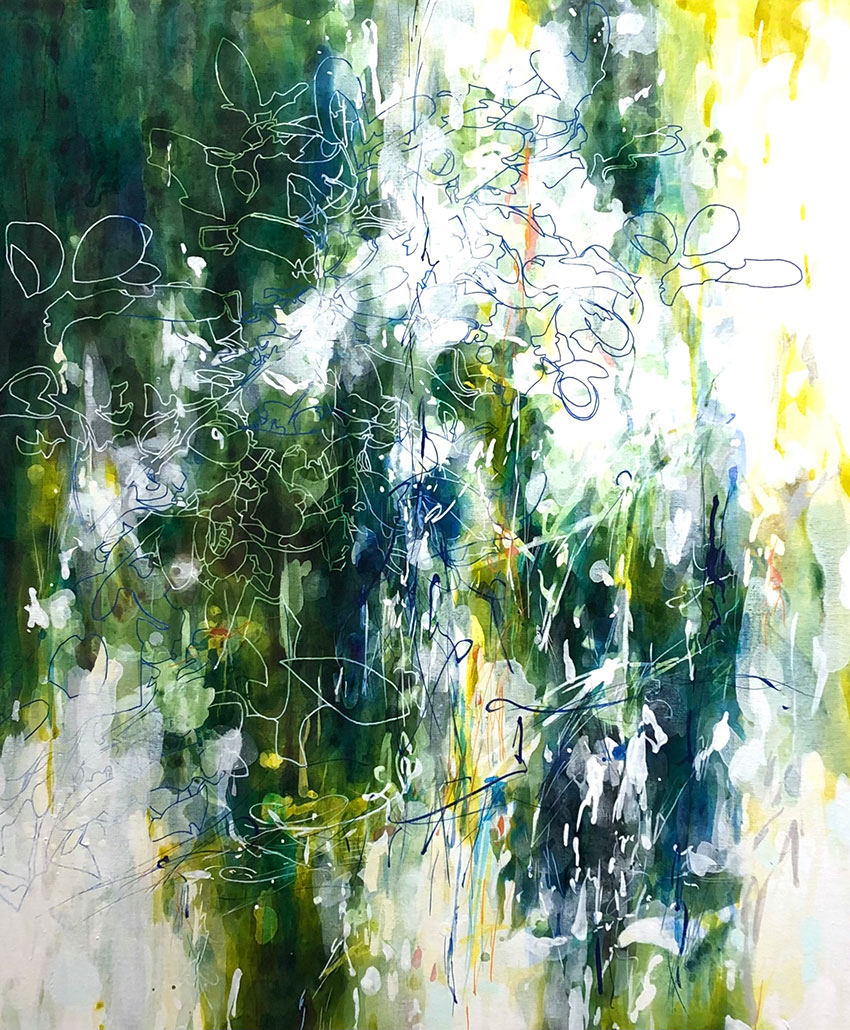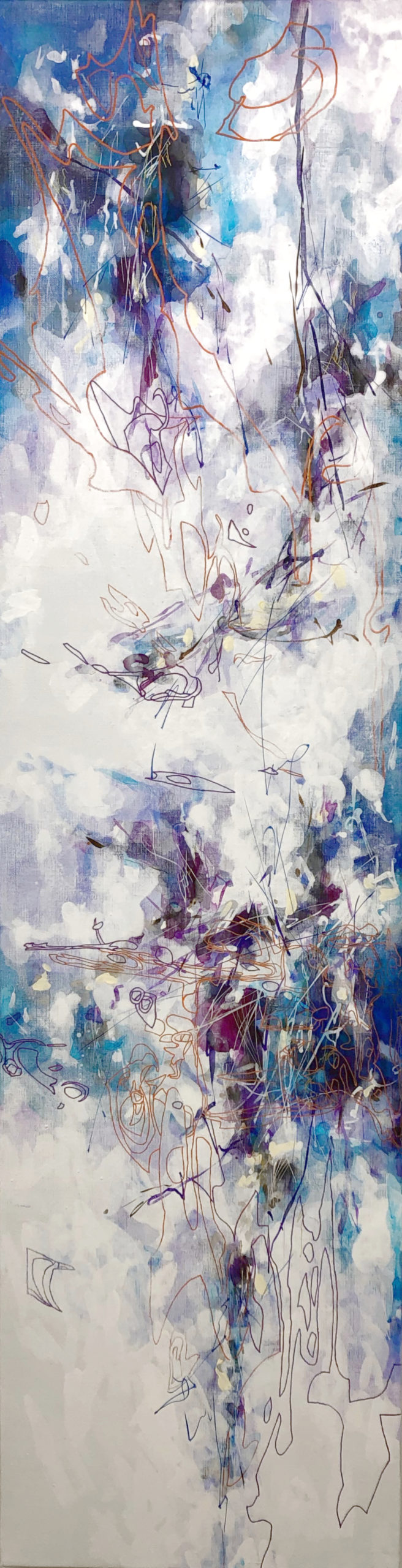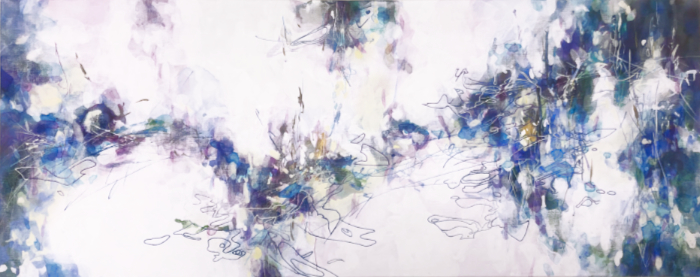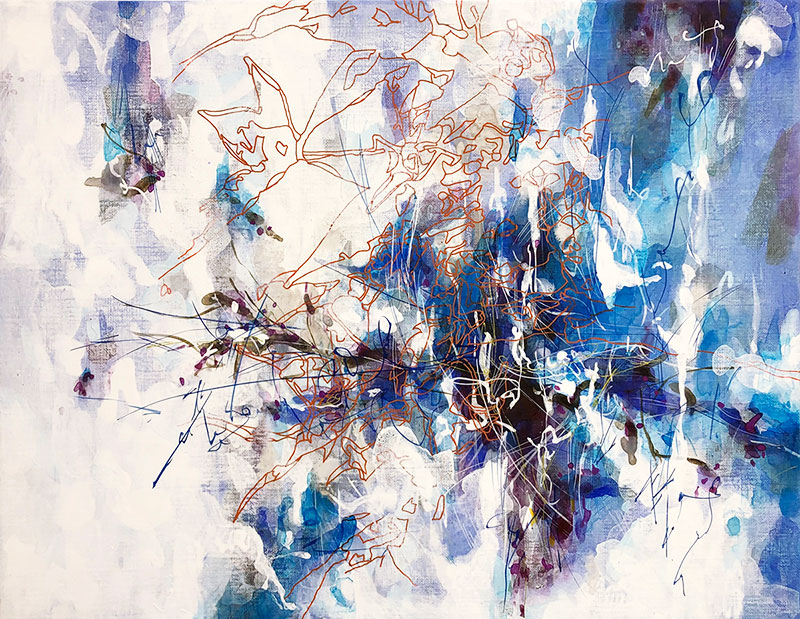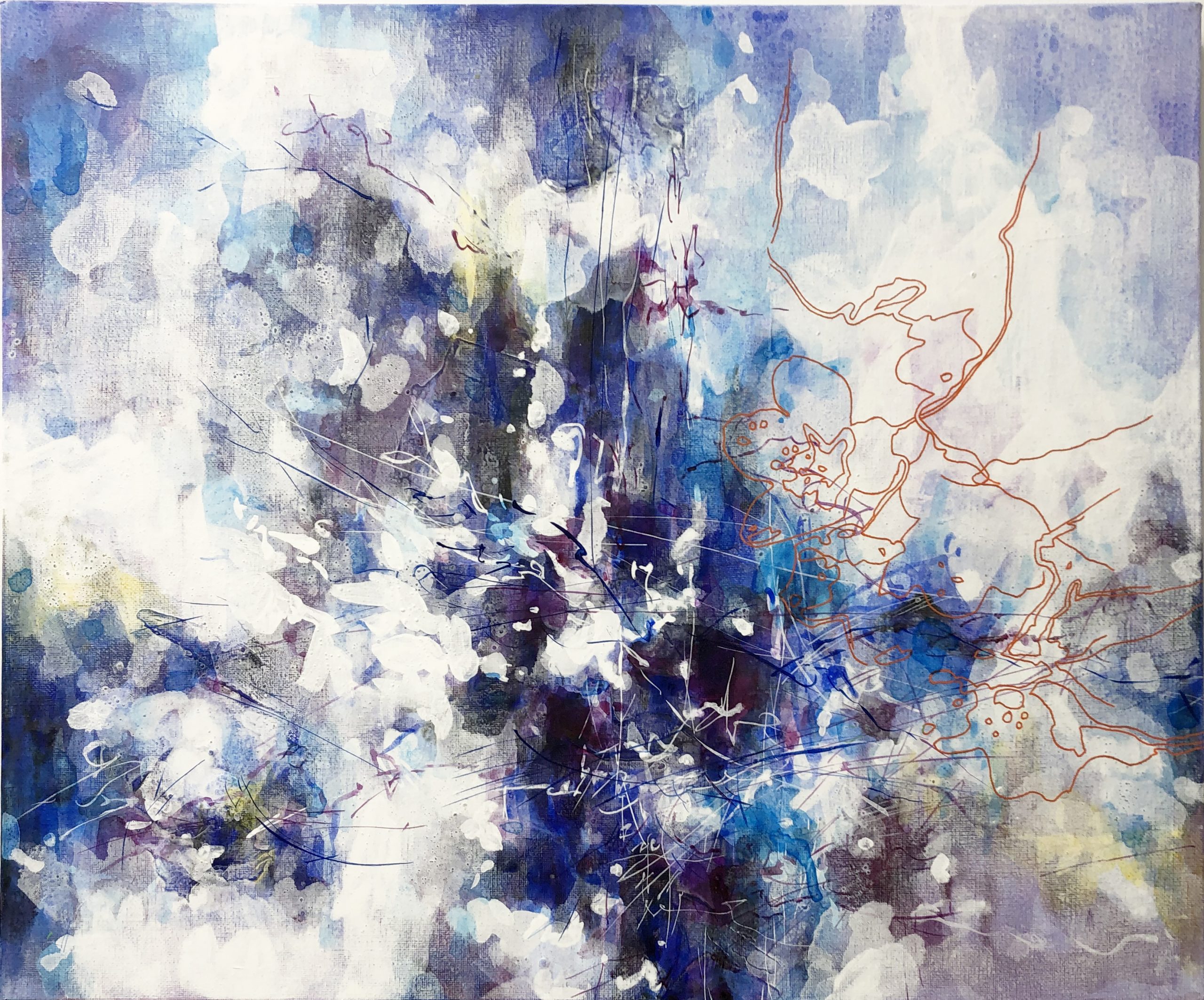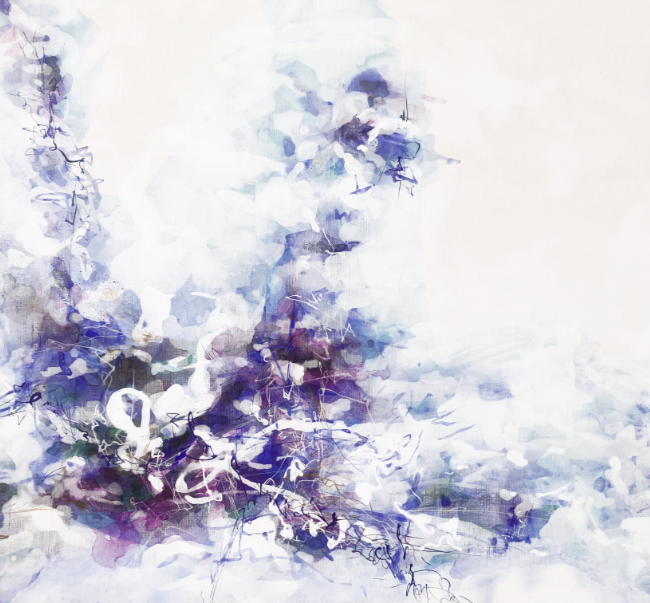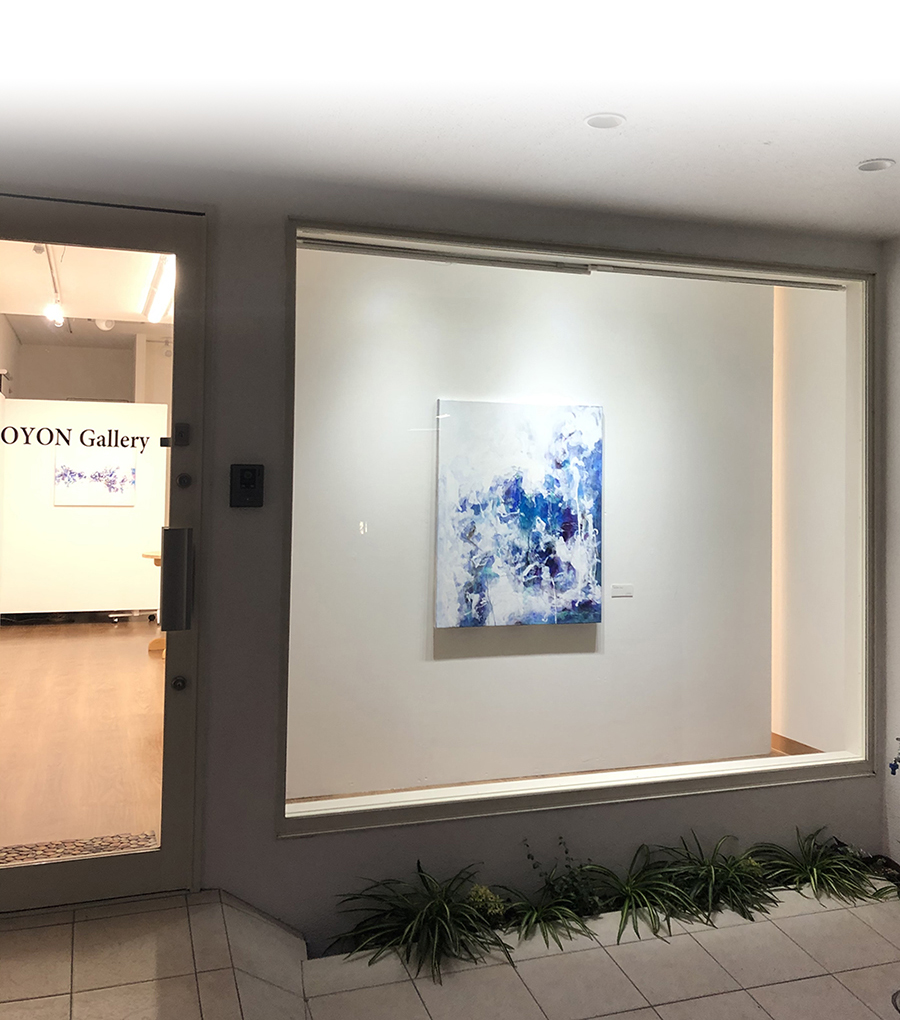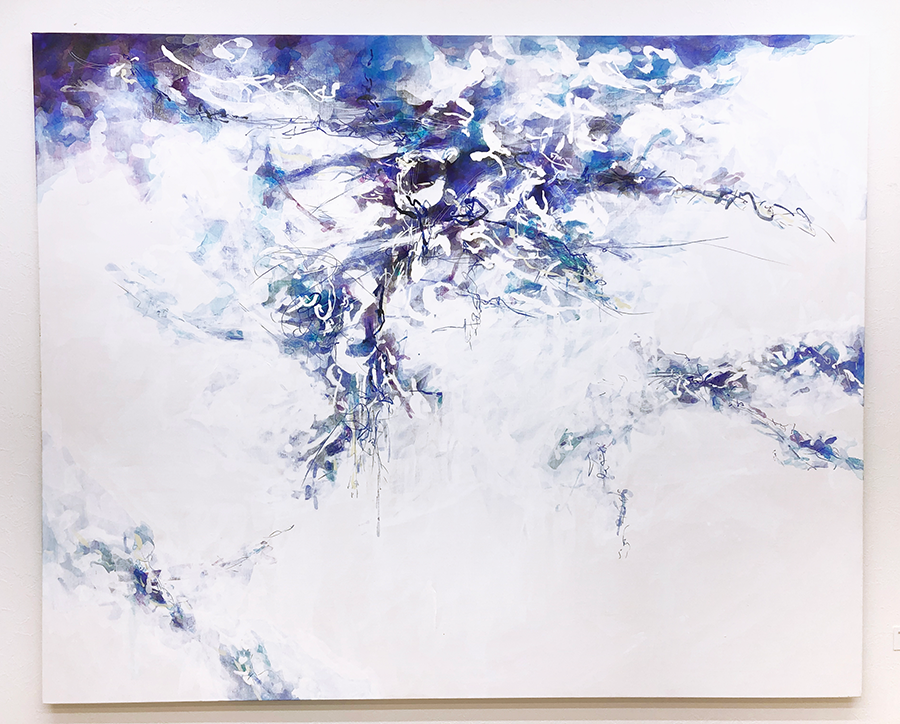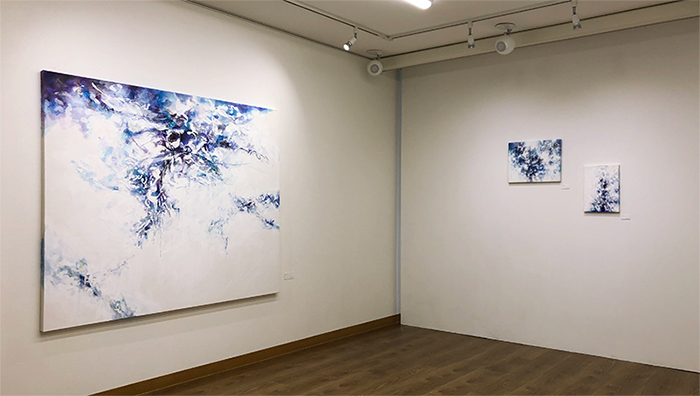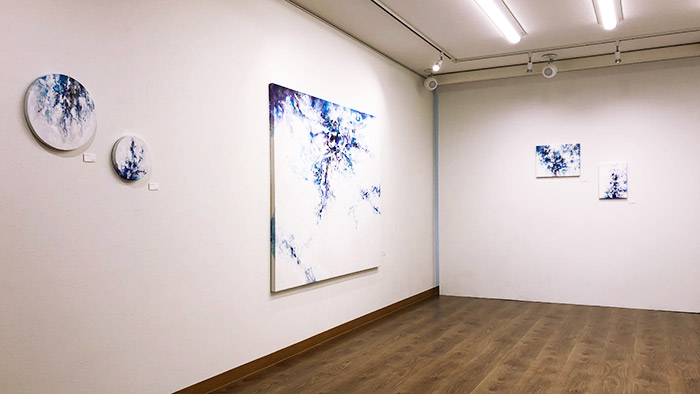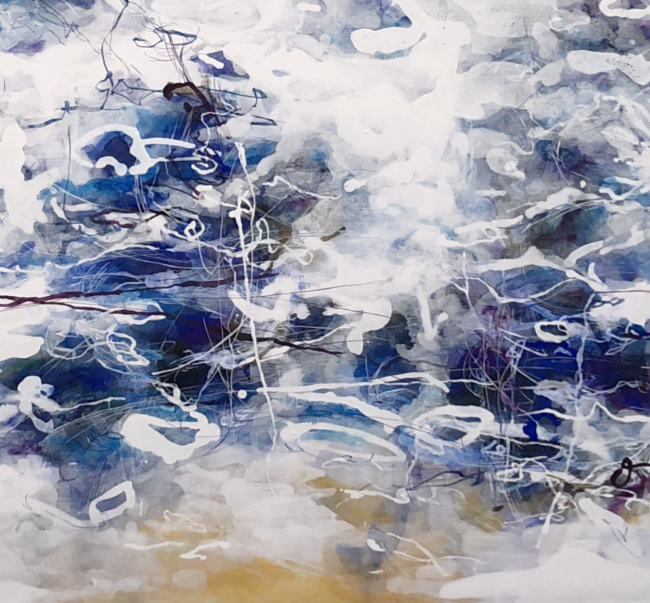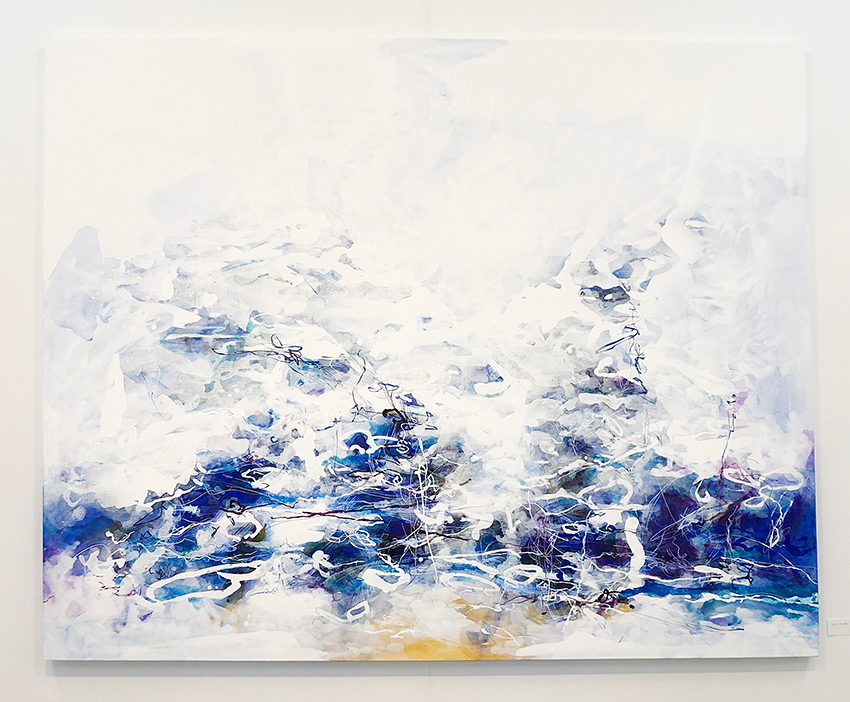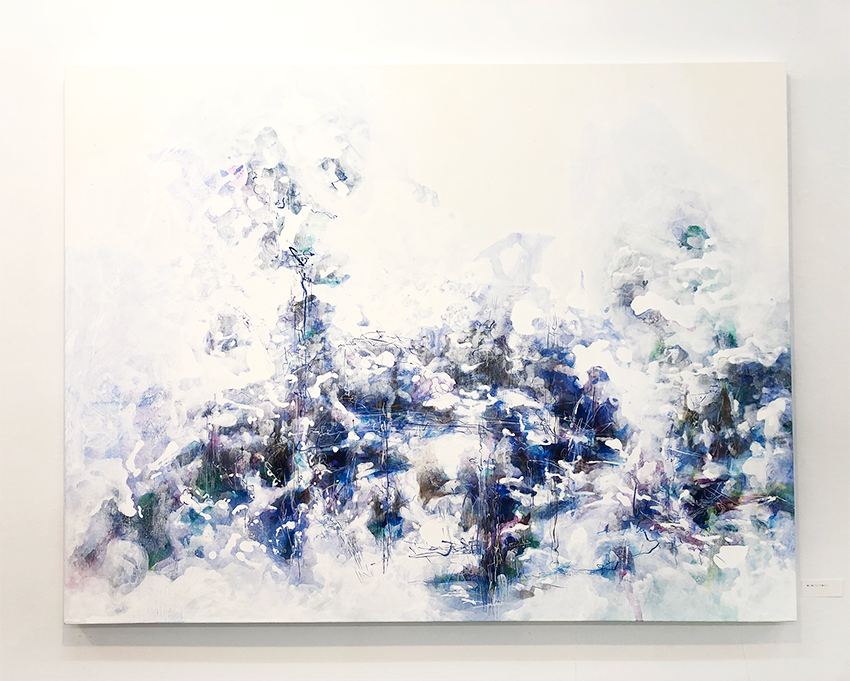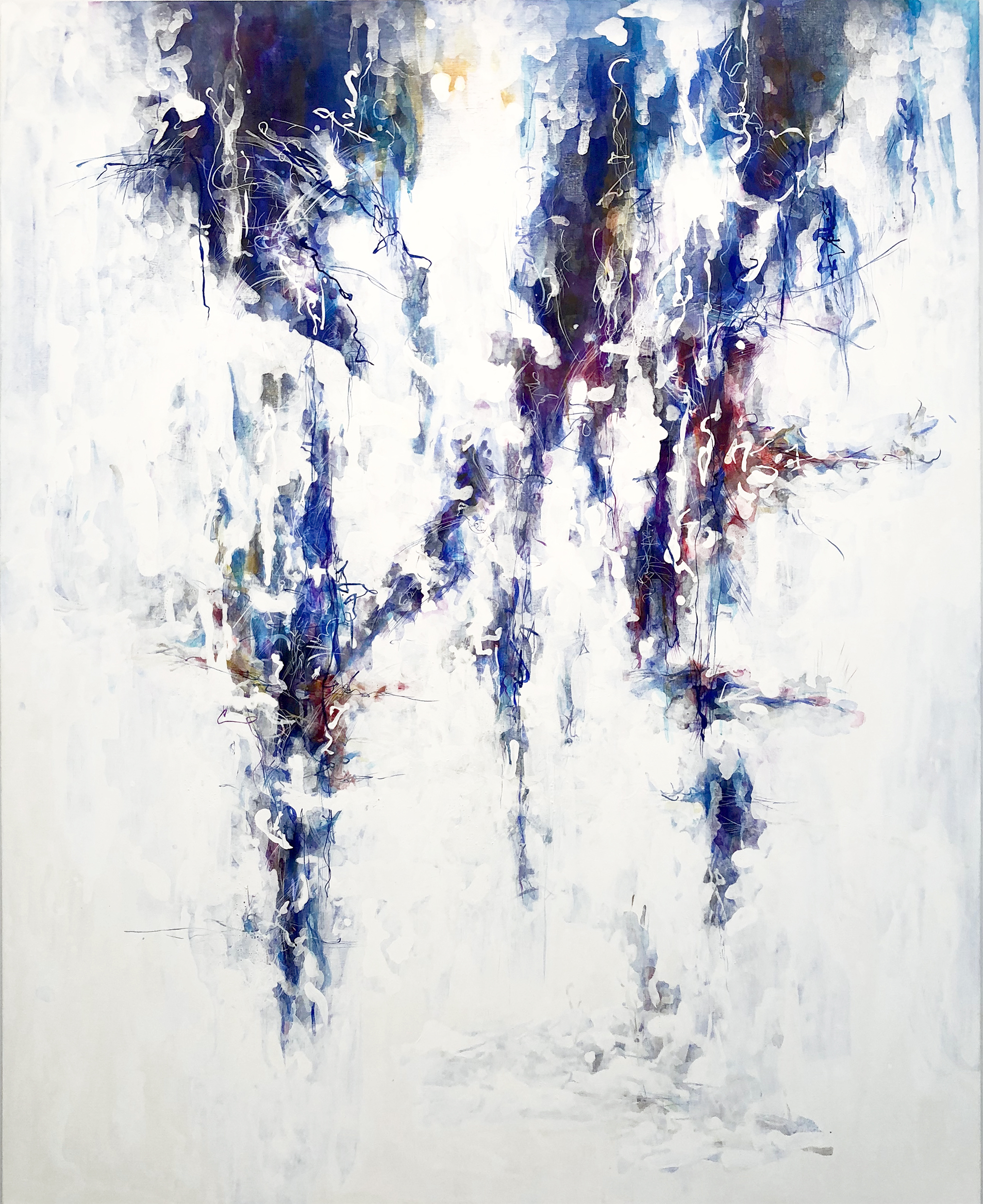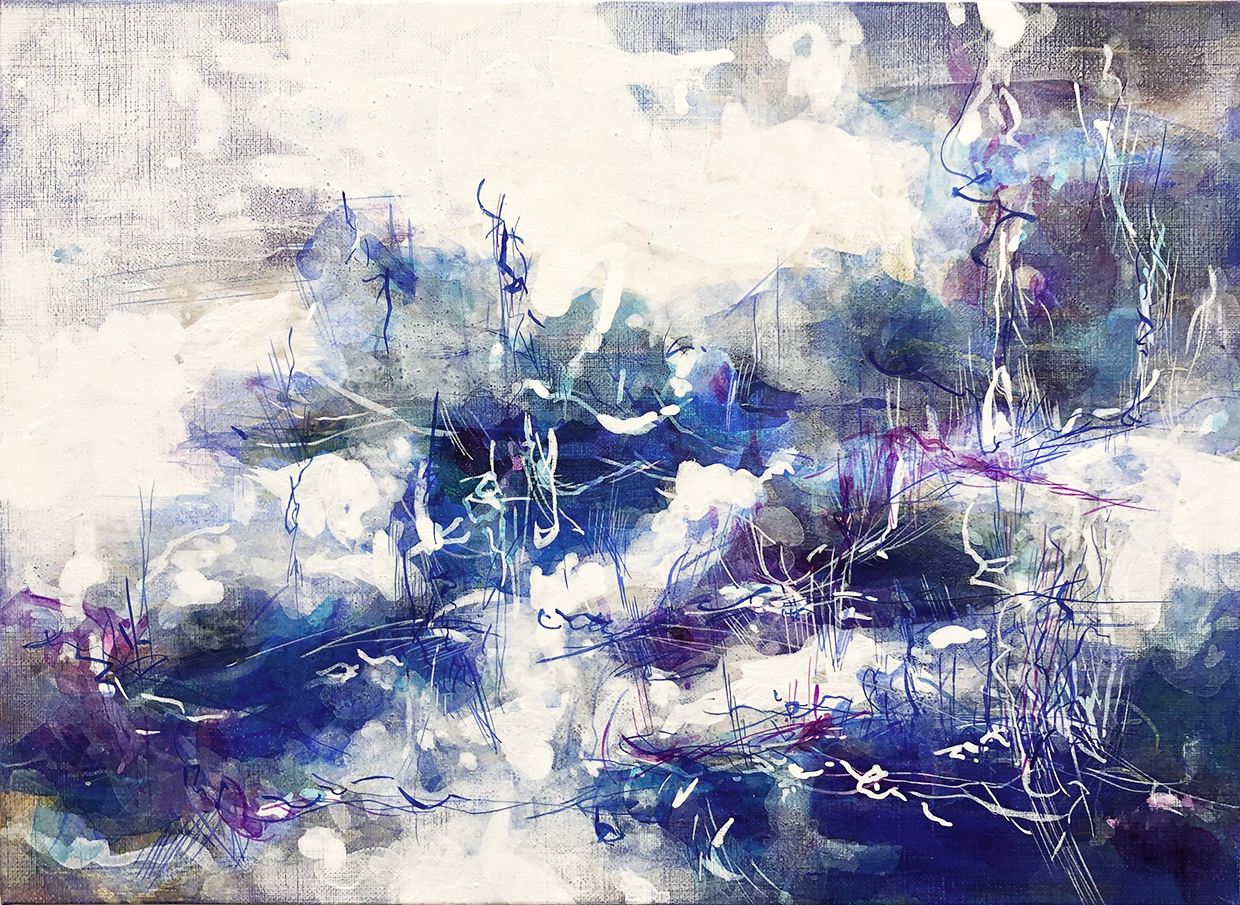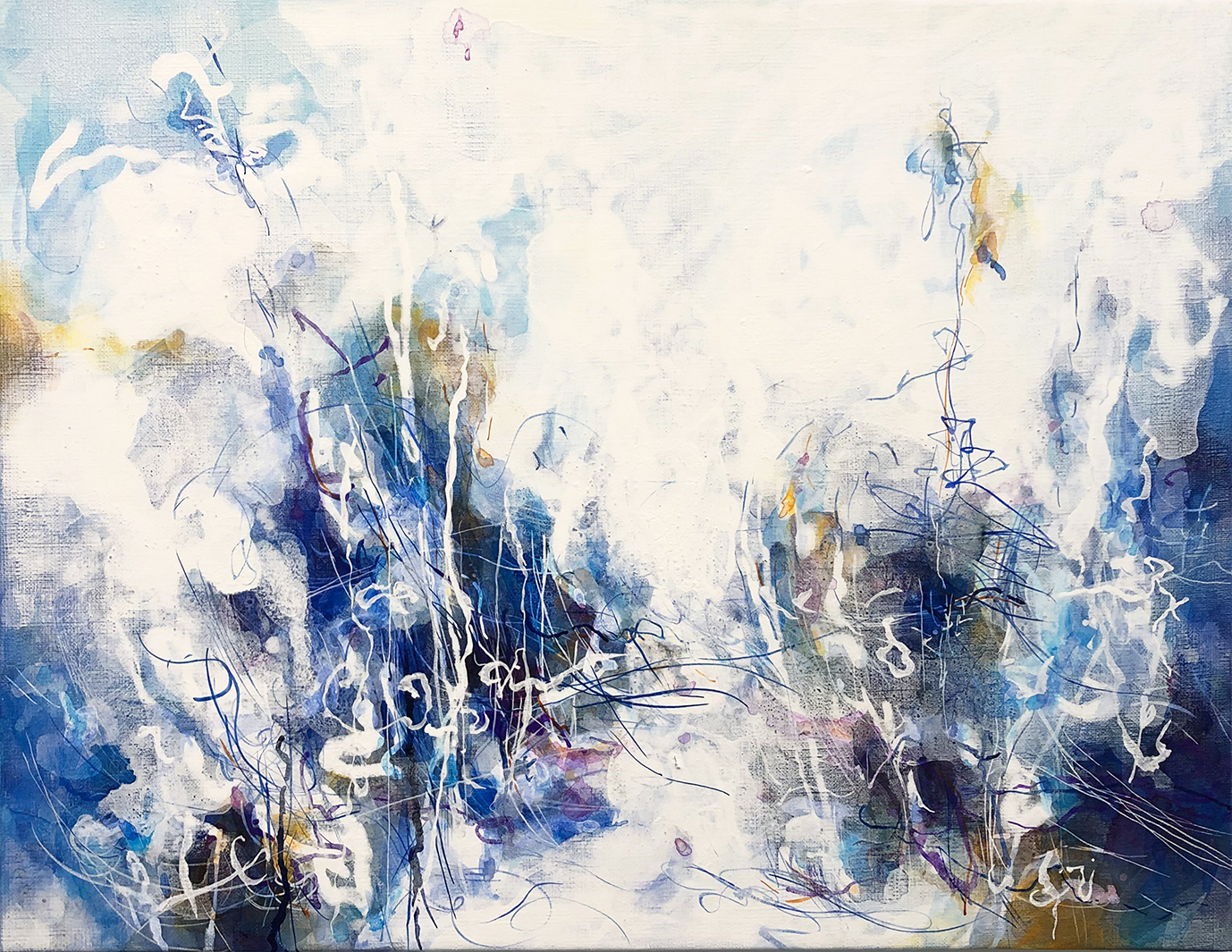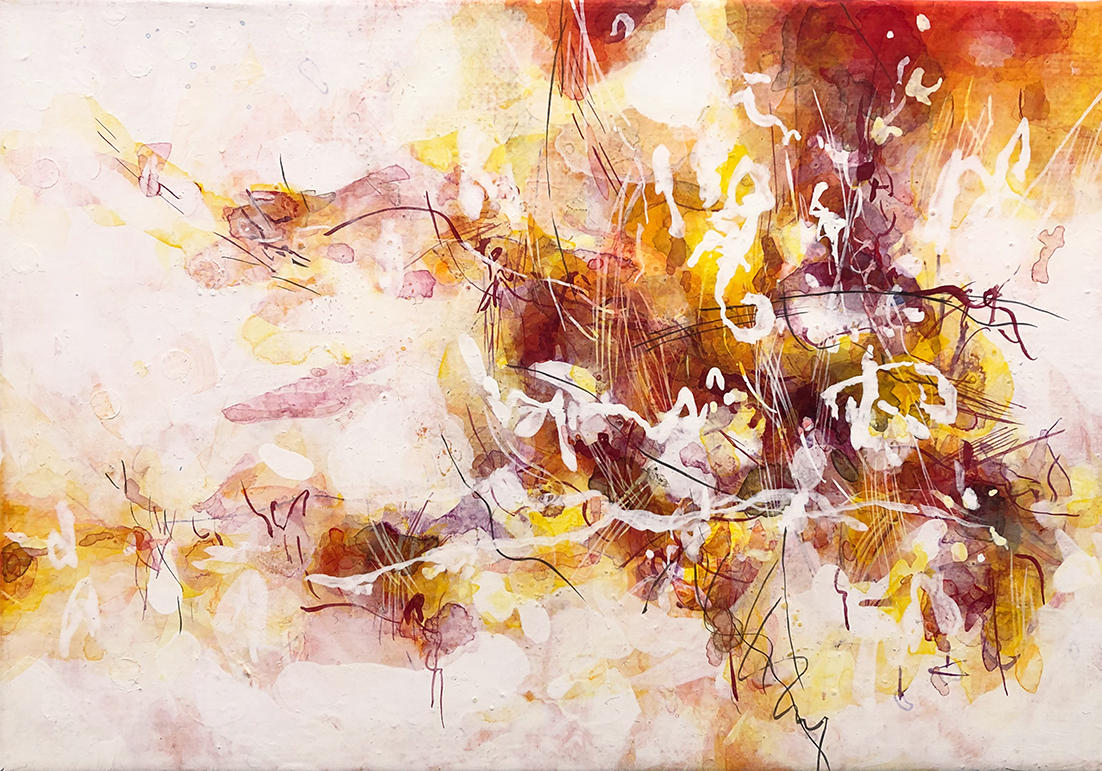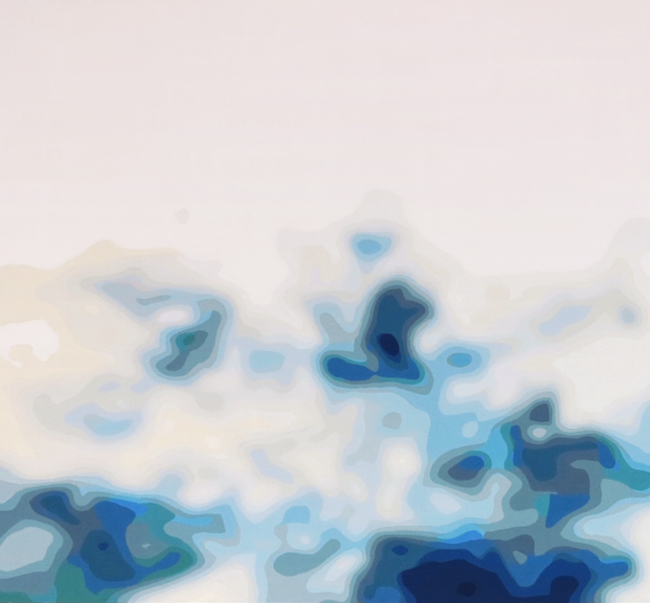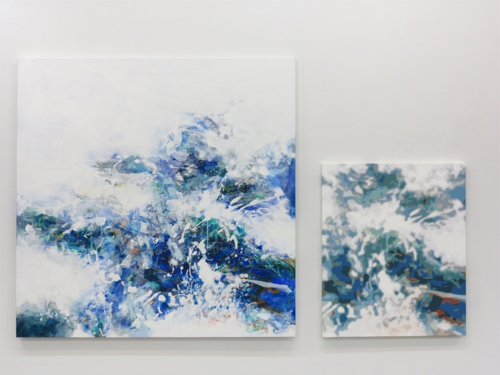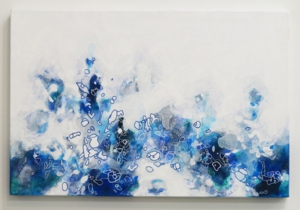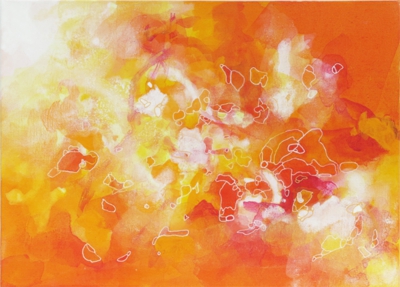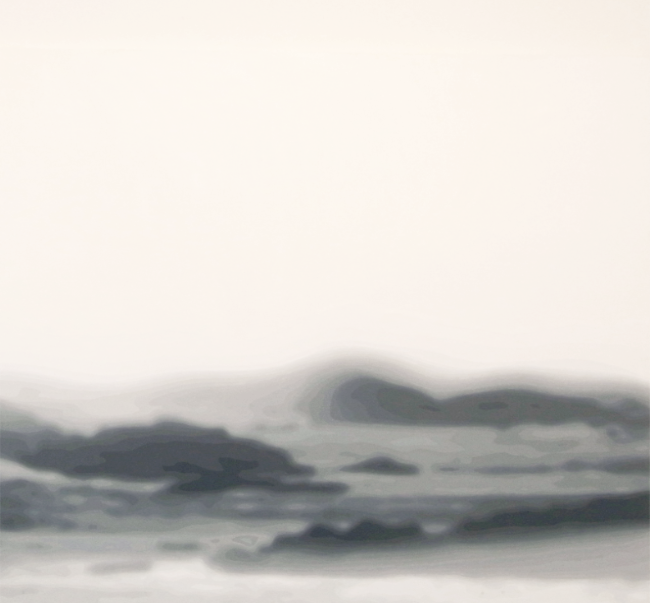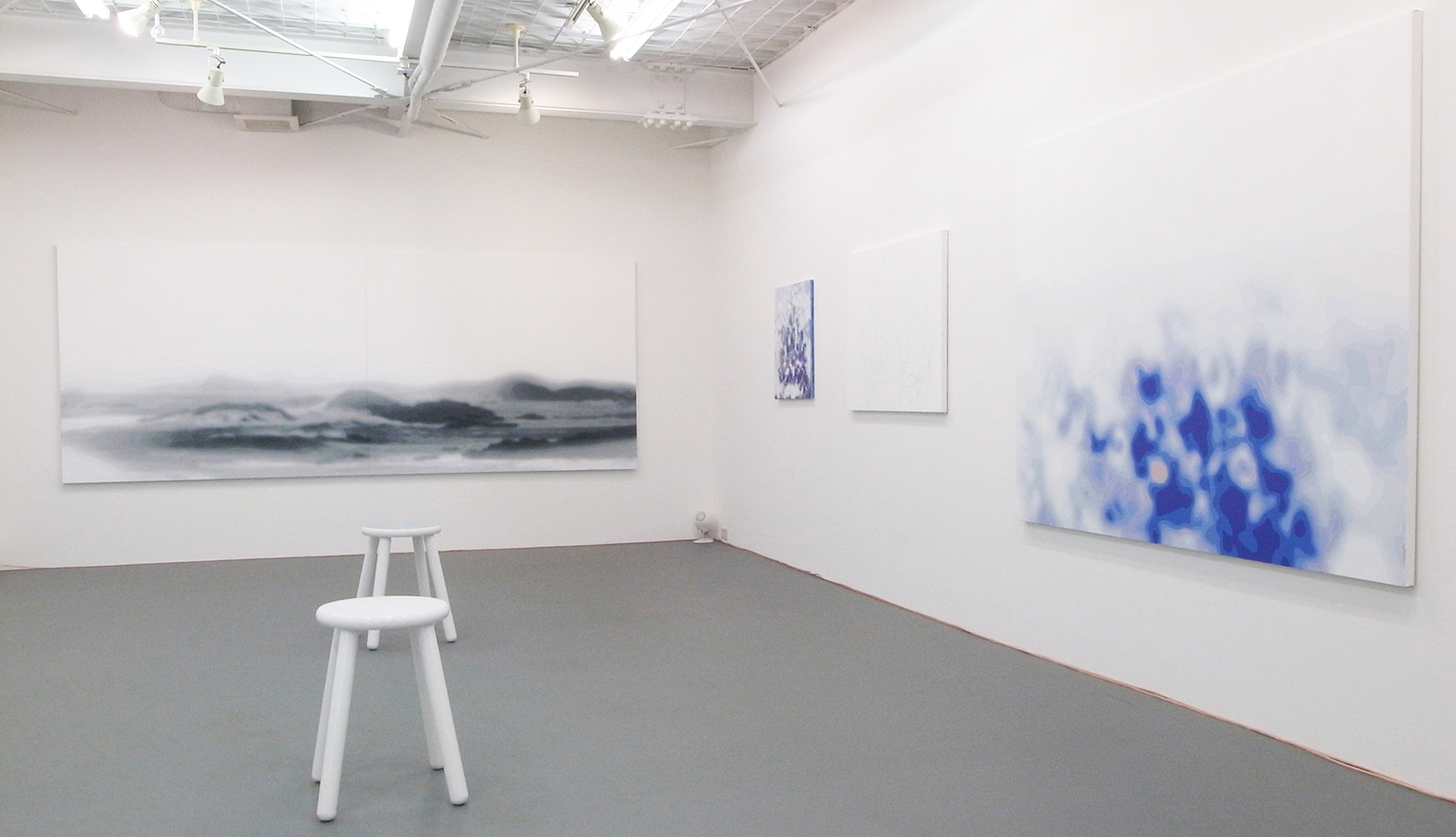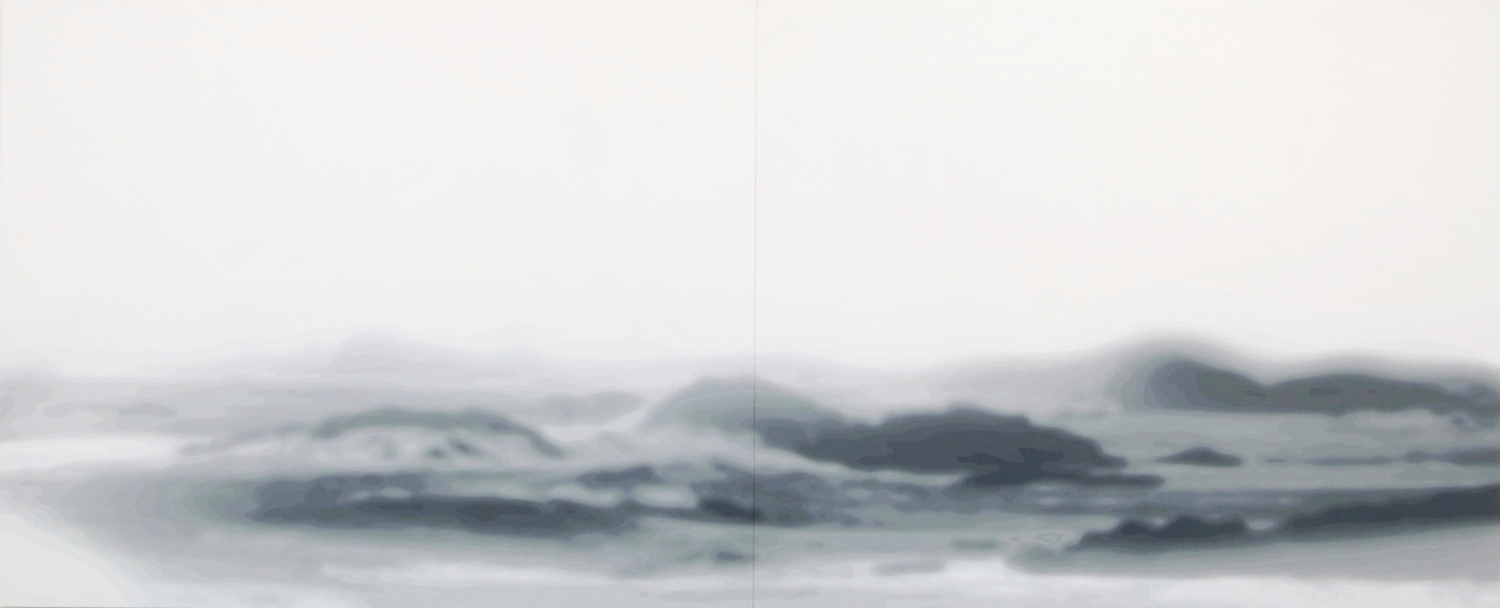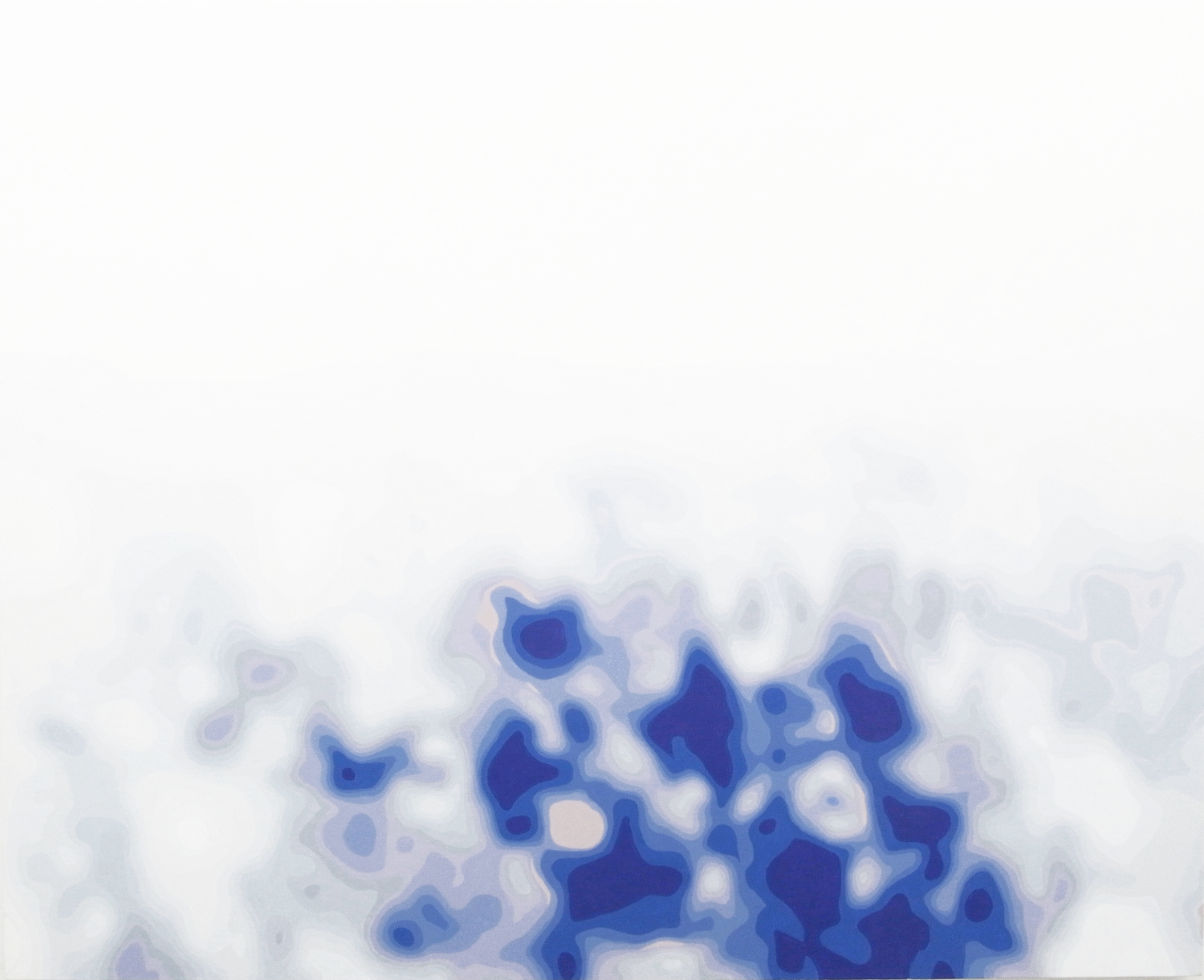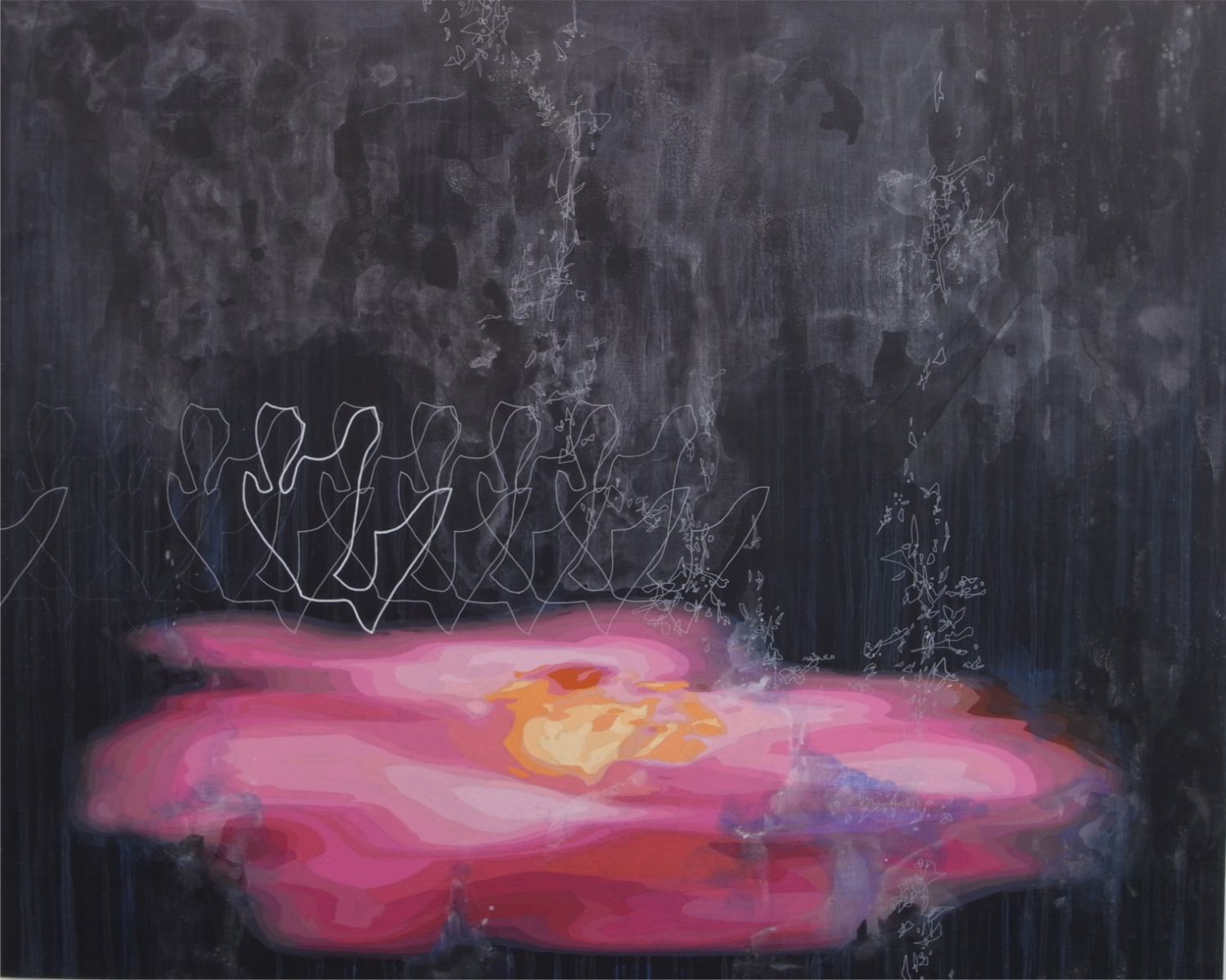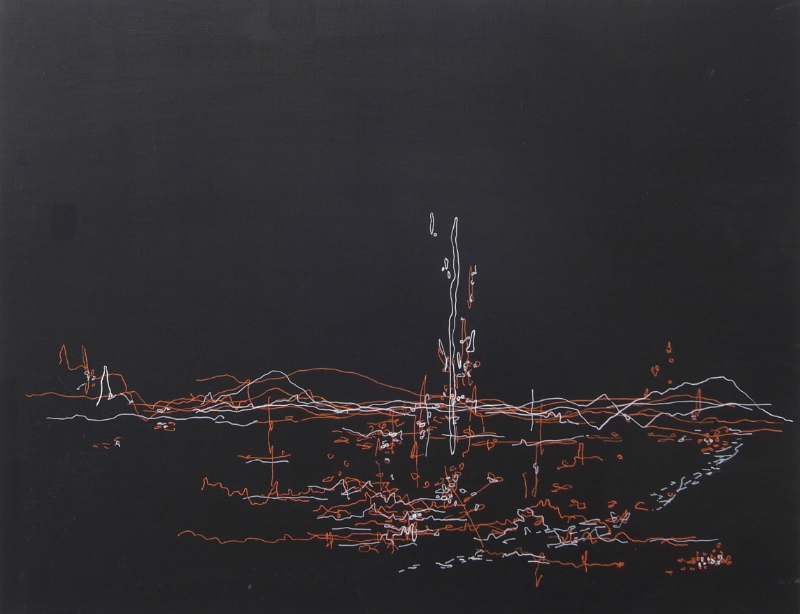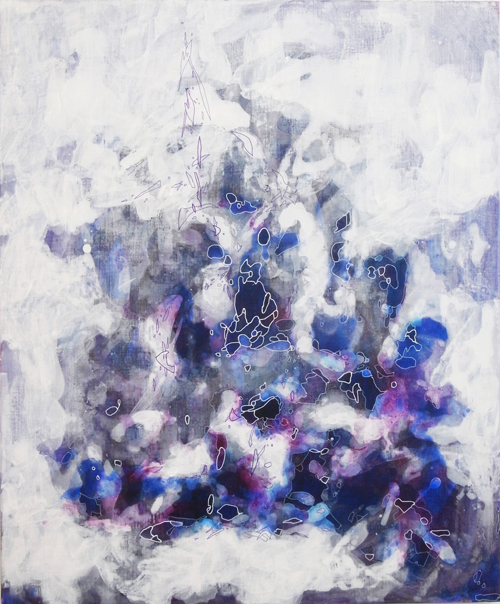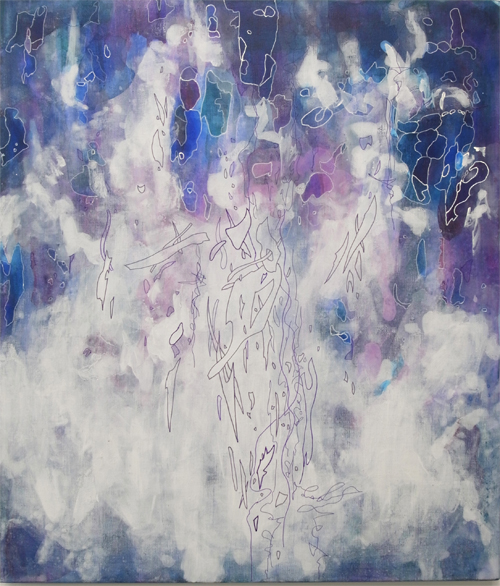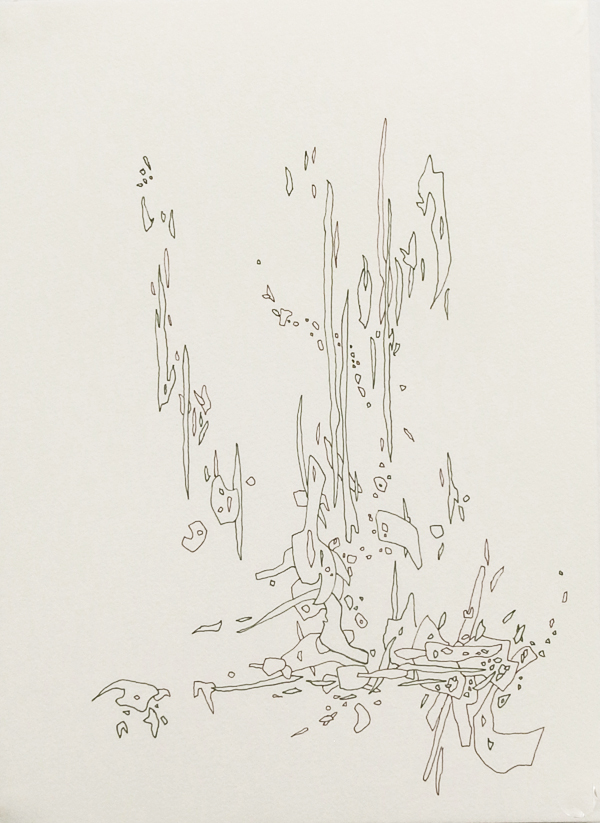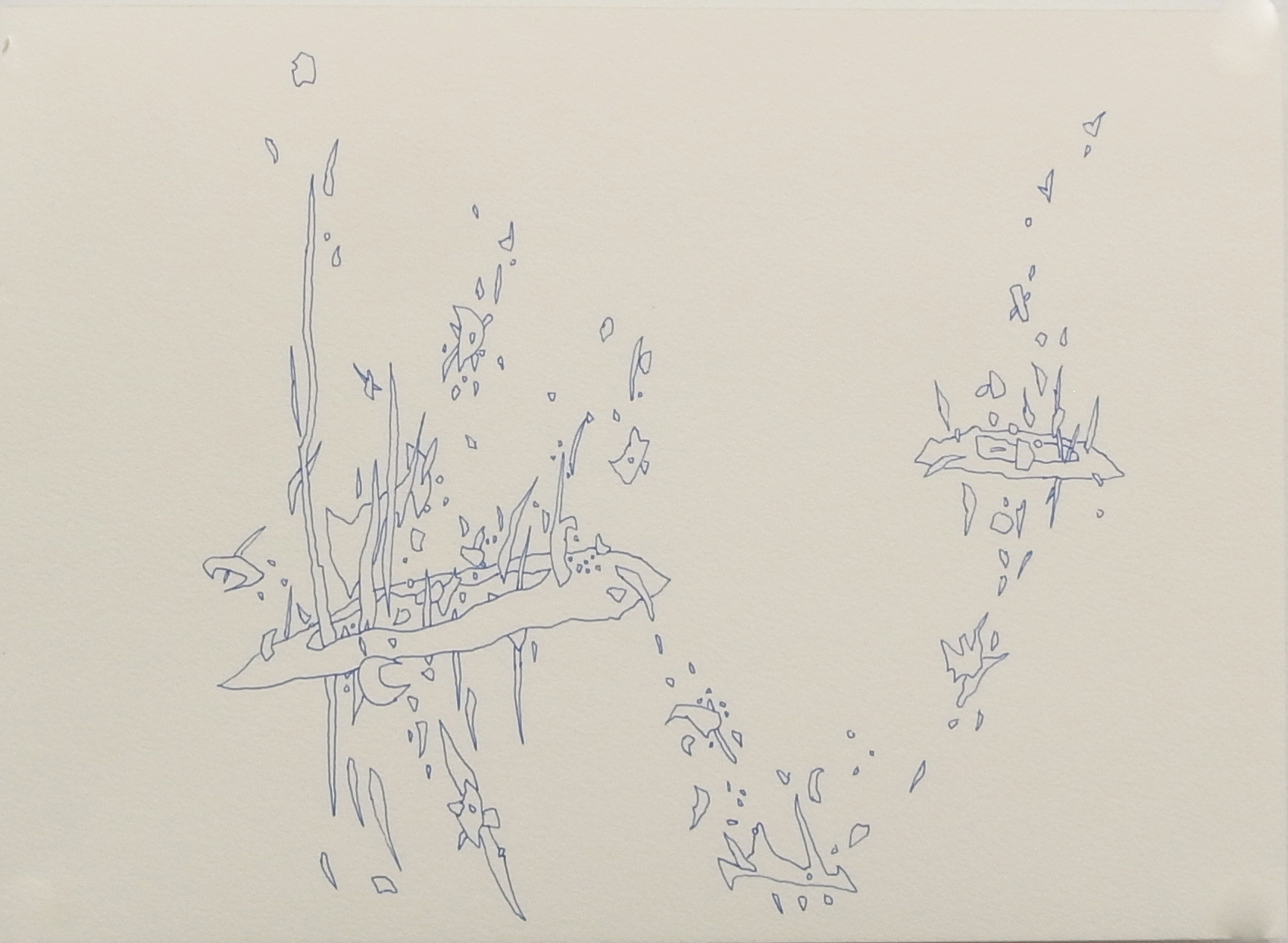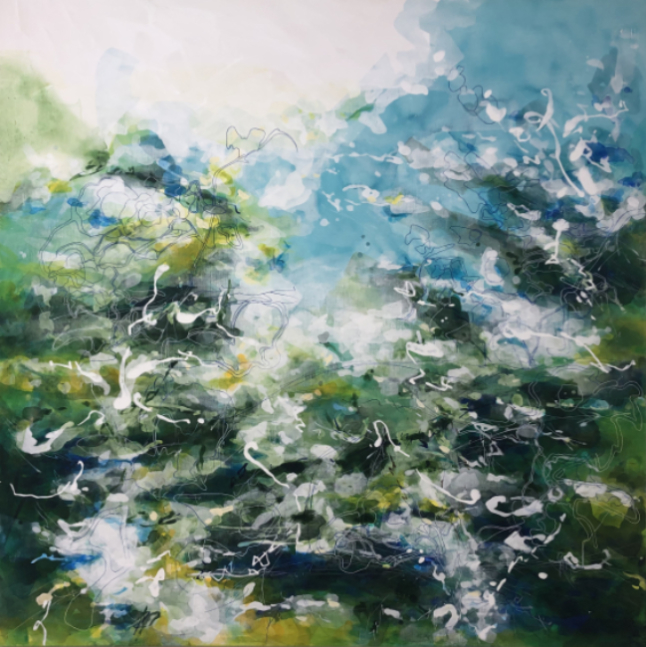
2022 “いつか みた どこかへ”, “静かな漂流”

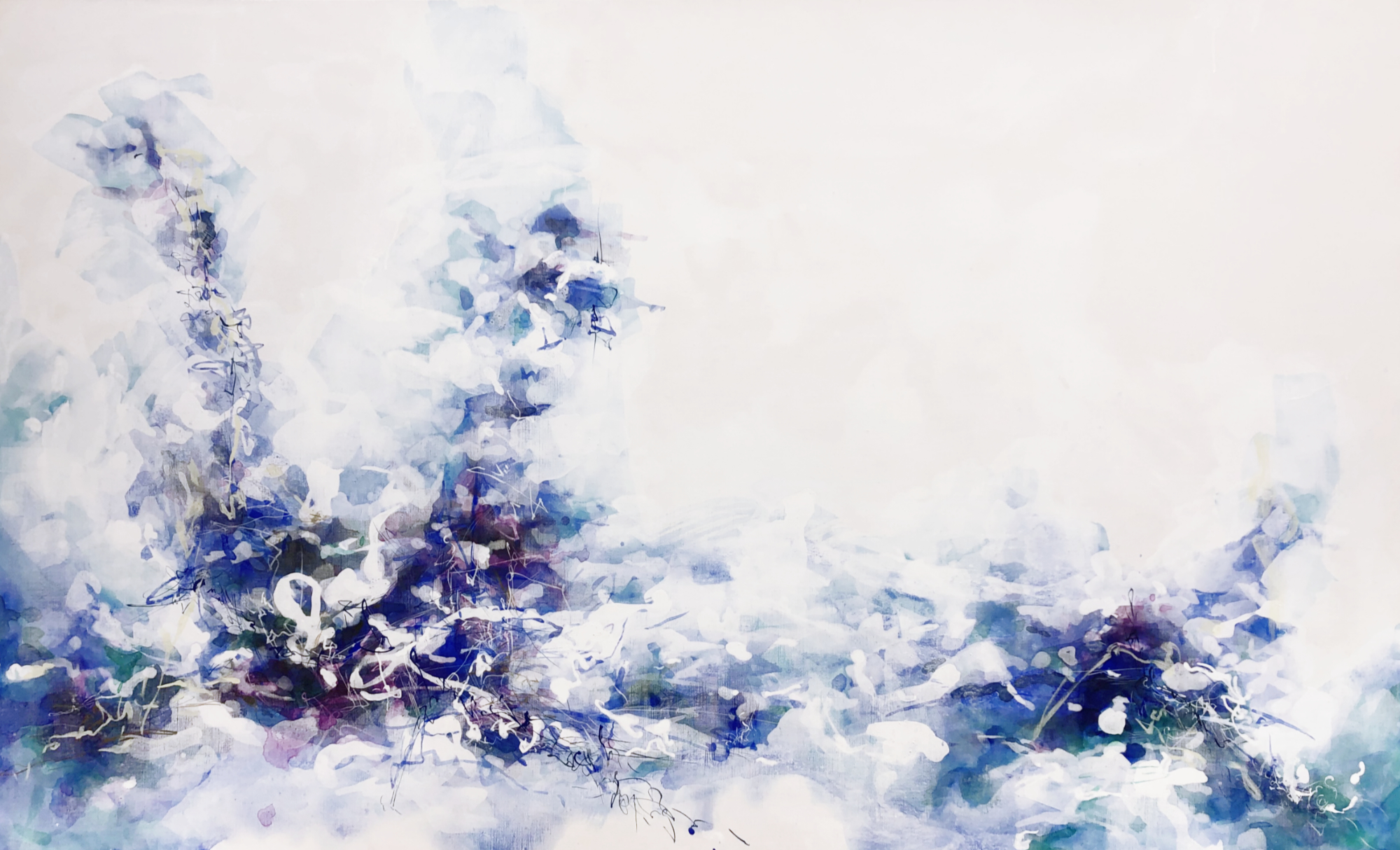
いつか みた どこかへ /2022.11.25(fri)- 12.5(mon) GAMOYON Gallery (Osaka)
静かな漂流 /2022.5.5(thu)-9(mon) gallery&space DELLA-PACE (Kobe)

“いつか みた どこかへ / 静かな漂流”
春から初夏に向かう瀬戸内の海面は、まぶしく光りながらごろりごろりと揺れているのでしょう。
さらにイメージをすすめて、強烈な盛夏の光を背に、痺れるような湧水の水草に浮かんでいることも想像します。
現在の争いや深い悲しみあるいは生の喜びにある私と、地続きであるけれどそれらの裏側に静かに潜んでずっと揺れている、人の生の長さでは捉えきれないむこうは確かにある気がします。
立ち上がっては消えていく日々の感情の機微は、永遠の漂流に比べるとわずかな揺れなのでしょう。
現実がありそして同じように、彼方にもいること。
そんな心持ちで画面に向かいます。

“Someday I will go somewhere I have seen. / Quiet Drift”
 The surface of the Seto Inland Sea, which is moving from spring to early summer, is probably shimmering and swaying in a dazzling manner.
 I imagine it floating on the waterweeds of a numbing spring with the intense light of midsummer behind it.
I feel that there is a place beyond the length of human life that cannot be captured by the length of human life, which is connected to me in my current struggle, deep sadness, or joy of life, and yet quietly lurking and swaying behind the scenes.
The subtleties of daily emotions, which rise and fall, are probably only a few tremors compared to the eternal drift.
There is reality, and just as real, there is beyond.
It is with this in mind that I turn to the screen.

静かな漂流 /2022.5.5(thu)-9(mon) gallery&space DELLA-PACE (Kobe)

いつか みた どこかへ /2022.11.25(fri)- 12.5(mon) GAMOYON Gallery (Osaka)

「いつか みた どこかへ1 (Someday I’ll go somewhere I’ve seen. 1)」800(h)×1,700(w)mm
キャンバスにアクリル絵具(2022)

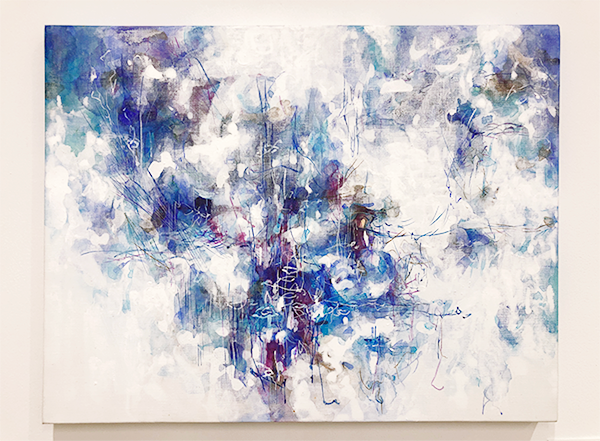
「いつか みた どこかへ2 (Someday I’ll go somewhere I’ve seen. 2)」800(h)×1,700(w)mm
キャンバスにアクリル絵具 (2022)

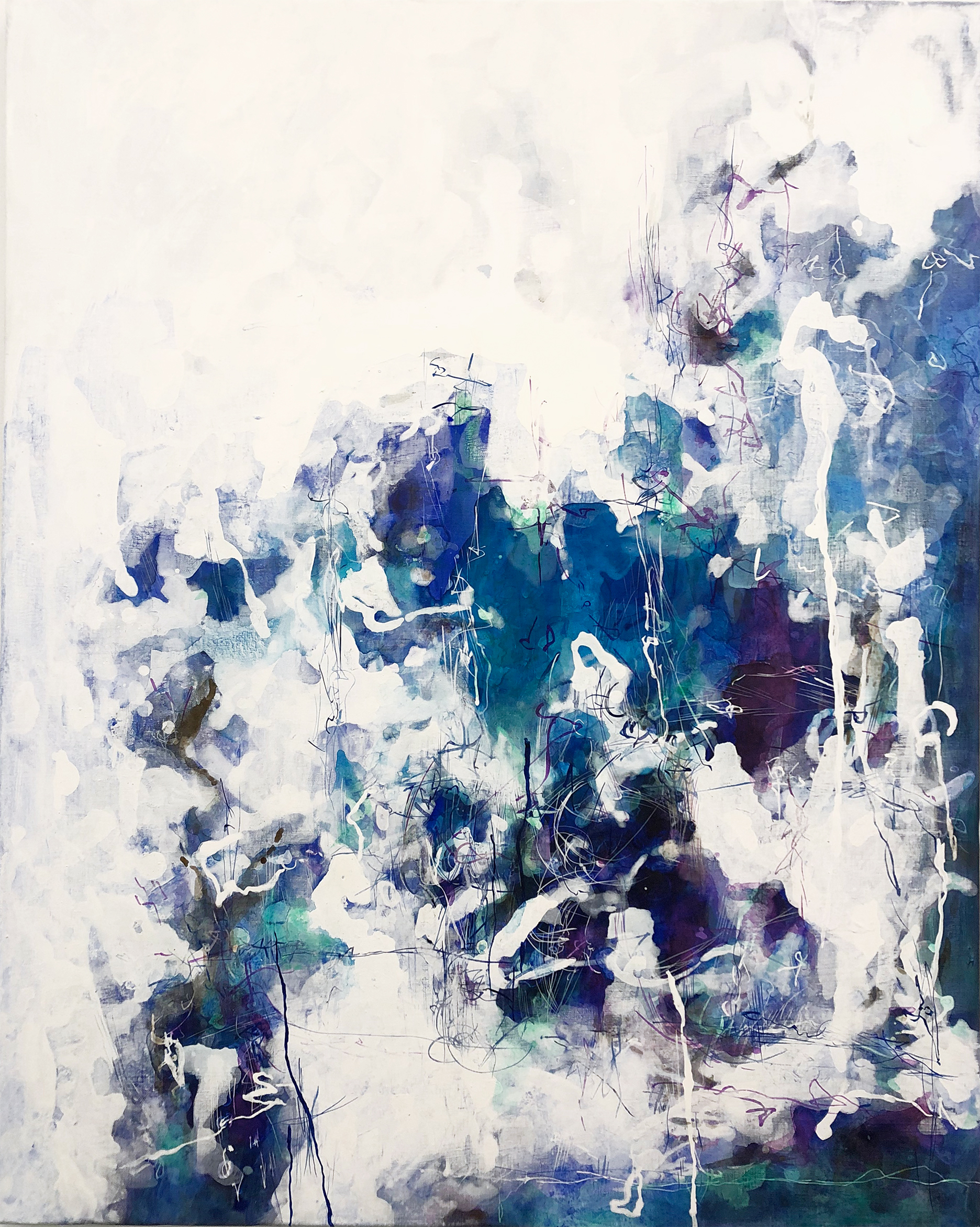
「Harmonics 1」600(h)×200(w)mm 
キャンバスにアクリル絵具(2022)

「Harmonics 2」600(h)×200(w)mm 
キャンバスにアクリル絵具(2022)

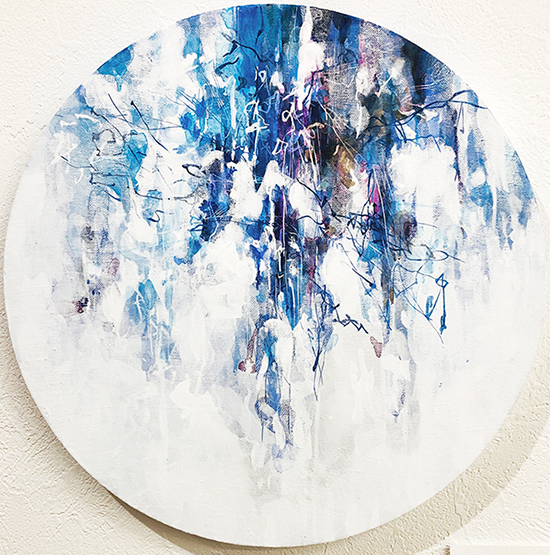
「氷のかなた」 400(h)×400(w)mm
キャンバスにアクリル絵具(2022)

「木立2」 400(h)×400(w)mm
キャンバスにアクリル絵具(2022)
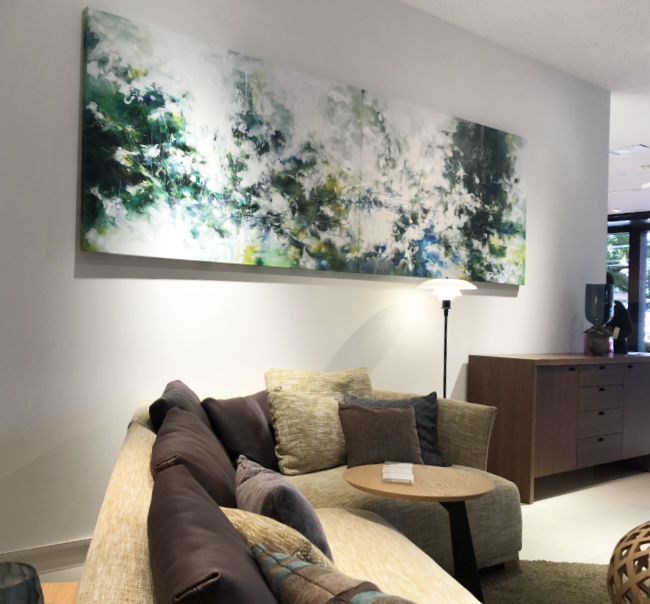
2020 “景色をすくう”

景色をすくう / Scoop the landscape
2020 August 19(wed)- 29(sat)  gallery&space DELLA-PACE (Kobe) 
2020 October 23(fri)-November 9(mon) GAMOYONGallery (Osaka)
2021 March 4(thu)-September カンディハウス大阪 (Osaka)

 いつも切ないところにある記憶や経験は、なかなか像を結ばない。 それは死の重さを感じさせながら、流れていく知覚をとおして、形あるものとそうではないものとの間 ( あわい ) に明滅している。
描いていくことは、間 ( あわい ) に向かって明滅するモノをイメージとしてすく い取ることだが、画面に置くと、どこかに沈んで、偶然や予感とでも言うような 曖昧なものにもどる。 定位しようがないそれらは画面の中でも曖昧なままだが、確実に空間やみる人に共振するように広がる。
 制作の開始は、不定形の色彩を画面全体に充填せず、キャンバス外の空間と呼 吸するように置いていくことからはじまる。私と画面、作品と置かれた空間、作品とみる人とのやりとりのための余白を残す。 そして絵具の乾燥と重色を繰り返し現れた色面は、白色で覆われて遠くにいったり、深い色彩で近くに重く沈んだりして描く時間の進行に合わせて呼吸する。 さらにその包み込む画面へ、線を細くぬうように、うたうように描く。それは色 面に動きや方向を暗示する。 またデジタル画像から抽出した硬い線は、もとの形象を少しだけに匂わせたりするが、ほとんどが分解されたかけらとしてある。この全く違うところからやってきた線 / かけらは色面に少し寄り添い、あるいは大きく反発することで画面の中に響きが広がる。

 Memories and experiences, which are always in a sad place, do not easily form a picture. They are flickering in the space between the tangible and the intangible, through the weight of death and flowing perception.
To paint is to capture the flickering objects towards the interstice as an image, but when they are placed on the screen, they sink somewhere and return to something ambiguous, as if by chance or premonition. These things, which cannot be localised, remain ambiguous on the screen, but they certainly spread out in a way that resonates with the space and the viewer.
 The production process begins by not filling the entire screen with irregular colours, but placing them so that they resonate with the space outside the canvas. I leave a blank space for the interaction between myself and the canvas, between the work and the space in which it is placed, and between the work and the viewer. The coloured surfaces, which appear after repeated drying and layering of paint, are covered with white and move into the distance, or sink heavily into the near distance with deep colours, breathing in time with the progress of the painting. The painting is then drawn on the enveloping surface in a thin, waving, singing line. It suggests movement and direction on the coloured surface. The hard lines extracted from the digital image give a slight hint of the original figure, but are mostly deconstructed fragments. These lines / fragments, which come from a completely different place, are slightly close to the colour plane or are greatly opposed to it, thus spreading echoes in the picture plane.

“景色をすくう” 1,000(h)×3,240(w)mm acrylic on canvas,pigment-pen

“ハクモクレン”
727(h)×606(w)mm F20 (2020) acrylic on canvas,pigment-pen

“鳴き声をさがす” 1,250(h)×330(w)mm (2020) acrylic on canvas,pigment-pen

“風から” 320(h)×803(w)mm (2020) acrylic on canvas,pigment-pen

“Spring frost” 318(h)×410(w)mm F6(2020)
acrylic on canvas,pigment-pen

“静寂の降る春”380(h)×455(w)mm F8
acrylic on canvas,pigment-pen

2019 “失われた音のために” For the lost sound

失われた音のために “For the lost sound”
2019 November 1(fri)- 11(mon) GAMOYON Gallery (Osaka)

 視覚はあくまで刹那で、時間とともにその記憶が崩れていくことが自明である。
その視覚の不完全さを引き受けた絵画の過程において、完全である瞬間にも、どこかにノイズを持っている。
描いていくことは、それを調整することやバランスを整えることではなく、歪みの震えを感じながら、違う振動を展開させることだと考えている。

 It is obvious that vision is only momentary and that its memory collapses with time.
In the process of painting, which takes on the imperfection of that vision, even moments that are perfect have noise somewhere in them.
Painting is not about adjusting or balancing it, but about feeling the tremor of distortion and developing a different vibration.

“深さの下で(Under the depth)” 1,303(h)×1,620(w)mm (F100) acrylic on canvas (2019)

“失われた音のために(For the Lost Sound)” 894×1,455(M80)acrylic on canvas(2019)

森から流れくるもの

“森から流れくるもの(Things that flow from the forest)” 910(h)×727(w)mm(F30) acrylic paint(2018)

“水の高原 (Water plateau)” 318(h)×410(w)mm F6 (2019) acrylic on canvas

“North water” 300(h)×300(w)mm round(2019) acrylic on canvas

2018眺望をつむぐ Spin the view

眺望をつむぐ “Spin the view”
2018 December 11(tue)- 22(sat) galerie 16 (Kyoto)


 描くことは、出現してくるイメージを確定せずに逃れる時間である。
 イメージを解体し更新するために、色面の「刈り込み」あるいは「拡散・膨張」を重ね、図と地を織り込む。そうして出現する空間へ線を走らせ、意識が追いつく前に楔を打ち眺望をつむいでいく。

Painting is a time to escape the emerging image without finalizing it.
 In order to deconstruct and renew the image, the artist “prunes” or “diffuses and expands” the color surface, weaving figure and ground together. In this way, the artist runs lines into the emerging space, driving a wedge before consciousness catches up with it, and attaching the view to it.

“さがしつづける音(The Sound of Searching)” 1,303×1,620(F100) acrylic on canvas(2018)

“遠い夜について話そう(Let’s talk about a distant night)” 1,120(h)×1,455(w)mm (F80) acrylic paint(2018)

“とける声” 1,620×1,303(F100) acrylic paint(2018)

“分水嶺(watershed)”
606(h)×727(w)mm (F20) acrylic paint(2018)

“Resonance of Landscape” 333×242(F4)acrylic paint(2018)

“モネンバシア” 318×410(F6)acrylic paint(2018)

“デルフィの光” 158×227(FSM)
acrylic paint(2018)

2016 “月の庭” Garden of the moon


月の庭 “Garden of the moon”
2016 November galerie 16 (Kyoto)

 不定形の抽象絵画と、それを色面分解した絵画を展示。
 少しの意思と偶然による不定形色面を線描でトレースしフォルムを描き起こす。不定形色面と縁取られた色面、遅延した質の異なる視覚の痕跡としての抽象絵画。その抽象絵画画像を色面分解しハードエッジに位相したもうひとつの抽象絵画。

 Exhibits irregularly shaped abstract paintings and paintings that are decomposed into coloured surfaces.
 The irregular coloured surfaces are traced with line drawings and forms are drawn out of the irregular coloured surfaces with little intention and by chance. Abstract paintings as traces of irregular coloured surfaces and fringed coloured surfaces, visual traces of different delayed qualities. Another abstract painting in which the abstract painting image is decomposed into coloured surfaces and phased into hard edges.

“月の影” 1,200(h)×3,000(w)mm acrylic paint (2016)

(左)  “風景#1” 1,167(h)×1,167(w)mm(S50) acrylic paint,markerpen(pigment (2016)
(右)  “雪の草” 727(h)×606(w)mm(F20)  acrylic paint (2016)


左)  “Obscure” 727(h)×606(w)mm(F20) acrylic paint (2016)
(右) 「風景#2」 1,167(h)×1,167(w)mm(S50) acrylic paint,marker pen(pigment) (2016)

“Violet Flakes” 318(h)×410(w)mm(F6) acrylic paint,marker pen(pigment (2016)

“Blue dance” 273(h)×410(w)mm(P6)  acrylic paint,marker pen(pigment (2016)

“デルタの霧” 242(h)×333(w)mm(F4) acrylic paint,marker pen(pigment (2016)

2014 逃げる風景 Landscape to Escape

逃げる風景”Landscape to Escape”
2014 November galerie 16(Kyoto)

 『意識とは身体の実存的環世界を、肉体が空間的物語的に解釈したものである。』 

   ジェスパー・ホフマイヤー *「生命記号論 宇宙の意味と表象」/ジェスパー・ホフマイヤー (松野孝一郎+高原美規 訳 青土社)


 風景は、身体の外側にある全てものである。
 身体に溶けつつ何かを送り続けるが、摩耗せず圧倒的な存在感を示しつづけている。  それは手の届くところに接していて浸透し続けているが、予測しない瞬間に切なさや憧憬を強く感じさせるのはなぜだろう。
 人の知覚は、感覚器官の反応を峻別し認識しているのではない。あるときは統合され俯瞰するように感じ、あるときは分離され分析するように無意識に境なく身体中を行き来している。
 一方、表現のモチベーションである感情は、それら知覚のやりとりを契機に、経験や知識を参照し解釈しながら不規則に染み出てくる。そんな表現の萌芽は記憶の中で多様な部分と繋がりを持った物語として蓄積されている。
 表現の主題はその物語であり、作品を発表することは解釈した物語を世界に提示することである。
 世界経験のひとつの方法を示すと同時に他者と共有することで、普遍的な経験をたぐり寄せることができると考えている。けれども、物語を示し続けても、依然尽きない風景は永々と続いている。

 Landscape is everything outside the body.
 It continues to send something while dissolving into the body, but it does not wear out and continues to show an overwhelming presence.  It continues to permeate, in contact with the reach of the hand, but why does it make us feel a strong sense of wistfulness and longing at unpredictable moments?
 Human perception is not a sharp distinction between the reactions of the sensory organs. At times, they are integrated and felt as if they are looking down on the world, and at other times they are separated and analysed, unconsciously moving back and forth throughout the body without boundaries.
 On the other hand, emotions, which are the motivation for expression, are triggered by these perceptual exchanges and seep out irregularly, referring to and interpreting experience and knowledge. The germination of such expression is stored in memory as a story with diverse parts and connections.
 The subject of expression is the story, and presenting a work of art means presenting the interpreted story to the world.
 By presenting a way of experiencing the world and at the same time sharing it with others, I believe I can bring about a universal experience. However, even if we continue to present stories, there is still an endless landscape that goes on forever.

“「”波頭(Crest of a Wave)”  1,303(h)×3,240(w)mm (F100×2) acrylic paint  (2014)
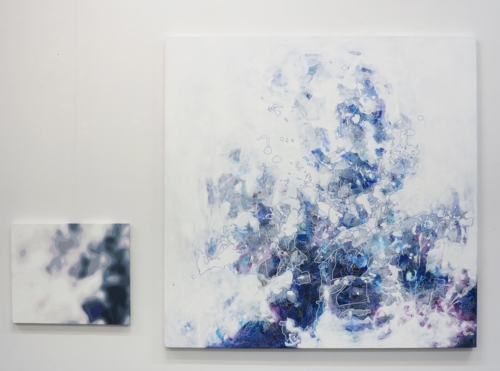
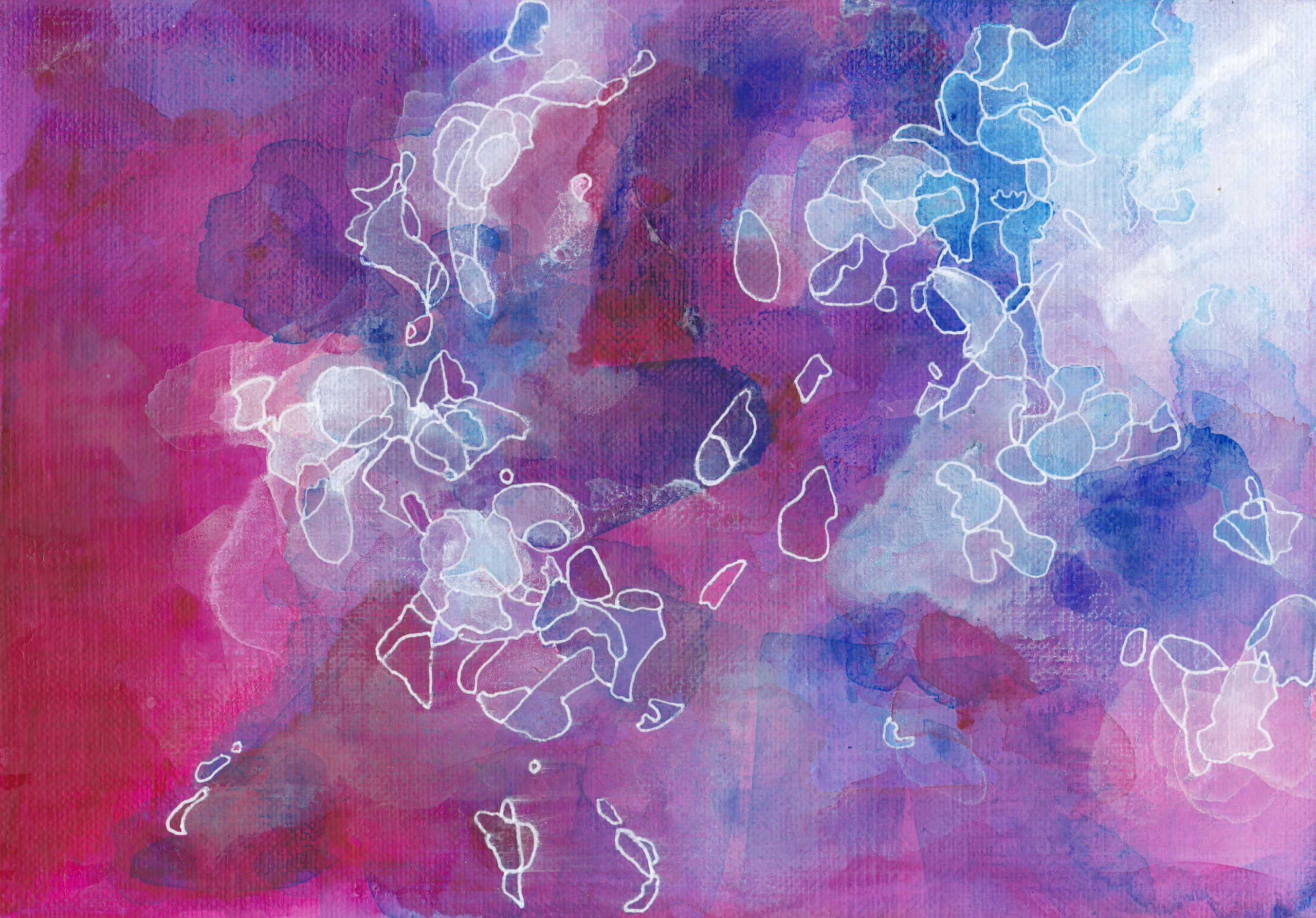
“ふるえるうちに(While I shake)” 1,303(h)×1,620(w)mm (F100) acrylic paint (2014)

“Nightfall” 1,303(h)×1,620(w)mm (F100) acrylic paint , marker pen(pigment) (2014)

“高台から(From the Hill)”
 318(h)×410(w)mm(F6) acrylic paint,marker pen(pigment)(2014)


「水の庭」500×606 mm (F12) acrylic on canvas,pigment-pen

「月の夜」530×455mm (F10) acrylic on canvas,pigment-pen

「浮遊する草」182×257mm (B5) pigment-penon paper

「水盤のための習作」182×257mm (B5) pigment-penon paper